Opposites come in all forms :
sour & sweet, Big & Small, Tall & Short, Full & Empty, Few & ManY, Stop & Go, Fast & Slow, Sit & Stand, Open & Close, In & Out, Up & Down, Happy & Sad, white & black., Asleep & Awake, Clean & Dirty, Sick & Healthy, Soft & Hard, Hot & Cold, Rough & Smooth, Light & Dark, Day & Night .
Join along with us into a journey of short stories .
All these short stories are all from "Aesop's Fables ” or “ the Aesopica .” and are credited to Aesop, a Greek slave and story-teller thought to have lived between 620 and 560 BCE .
That is more than 2,600 years ago .
The Owl & the GrasshoppeR
The Owl always takes her sleep during the day. Then after sundown, when the rosy light fades from the sky and the shadows rise slowly through the wood, out she comes ruffling and blinking from the old hollow tree. Now her weird "hoo-hoo-hoo-oo-oo" echoes through the quiet wood, and she begins her hunt for the bugs and beetles, frogs and mice she likes so well to eat.
Now there was a certain old Owl who had become very cross and hard to please as she grew older, especially if anything disturbed her daily slumbers. One warm summer afternoon as she dozed away in her den in the old oak tree, a Grasshopper nearby began a joyous but very raspy song. Out popped the old Owl's head from the opening in the tree that served her both for door and for window.
"Get away from here, sir," she said to the Grasshopper. "Have you no manners? You should at least respect my age and leave me to sleep in quiet!"
But the Grasshopper answered saucily that he had as much right to his place in the sun as the Owl had to her place in the old oak. Then he struck up a louder and still more rasping tune.
The wise old Owl knew quite well that it would do no good to argue with the Grasshopper, nor with anybody else for that matter. Besides, her eyes were not sharp enough by day to permit her to punish the Grasshopper as he deserved. So she laid aside all hard words and spoke very kindly to him.
"Well sir," she said, "if I must stay awake, I am going to settle right down to enjoy your singing. Now that I think of it, I have a wonderful wine here, sent me from Olympus, of which I am told Apollo drinks before he sings to the high gods. Please come up and taste this delicious drink with me. I know it will make you sing like Apollo himself."
The foolish Grasshopper was taken in by the Owl's flattering words. Up he jumped to the Owl's den, but as soon as he was near enough so the old Owl could see him clearly, she pounced upon him and ate him up.
Moral of the story: Flattery is not a proof of true admiration. Do not let flattery throw you off your guard against an enemy.
The Gnat & the Bull
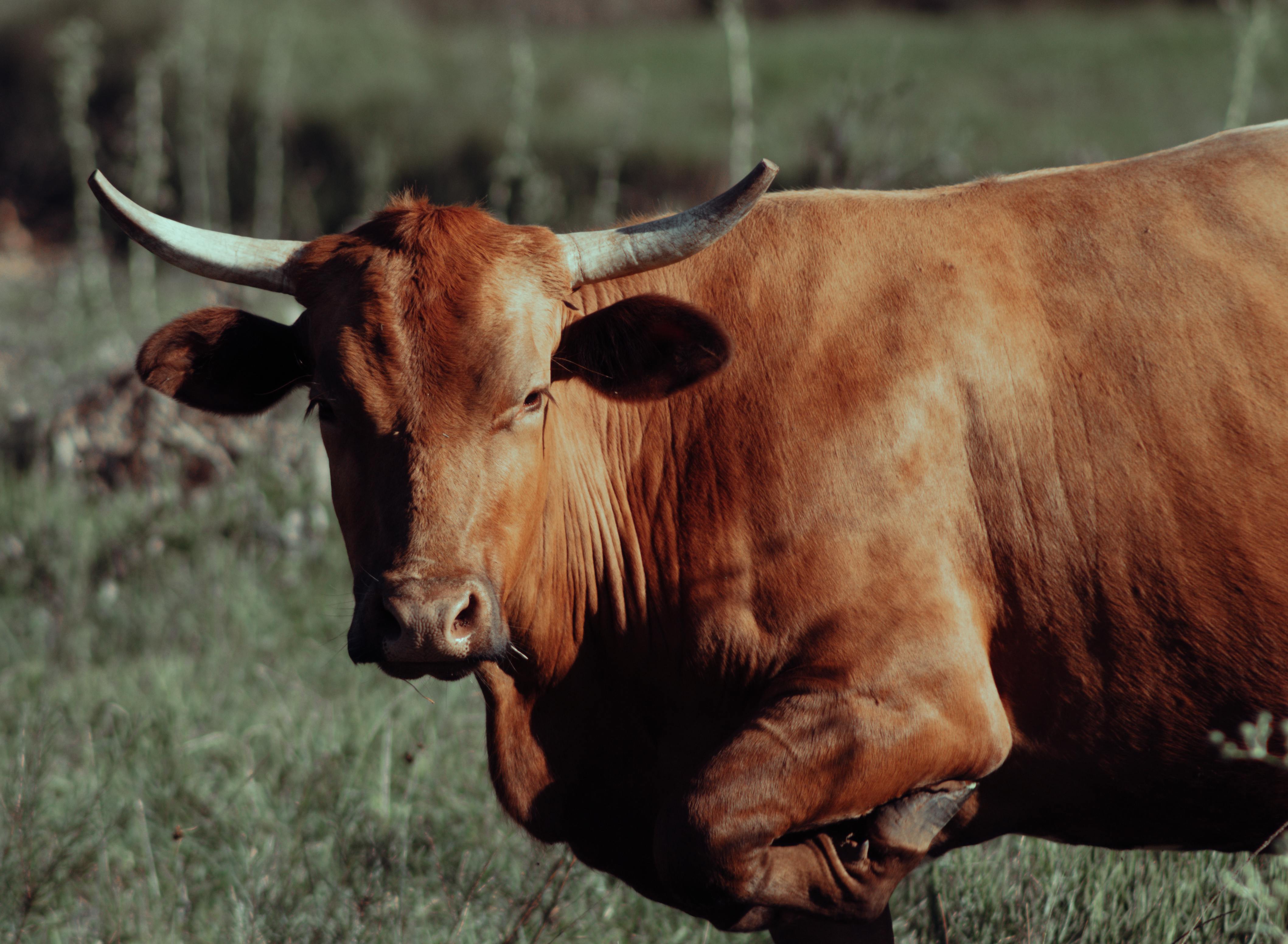
A Gnat flew over the meadow with much buzzing for so small a creature and settled on the tip of one of the horns of a Bull. After he had rested a short time, he made ready to fly away. But before he left he begged the Bull's pardon for having used his horn for a resting place.
"You must be very glad to have me go now," he said.
"It's all the same to me," replied the Bull. "I did not even know you were there."
Moral of the story: We are often of greater importance in our own eyes than in the eyes of our neighbor. The smaller the mind the greater the conceit.
The Rat & the Elephant
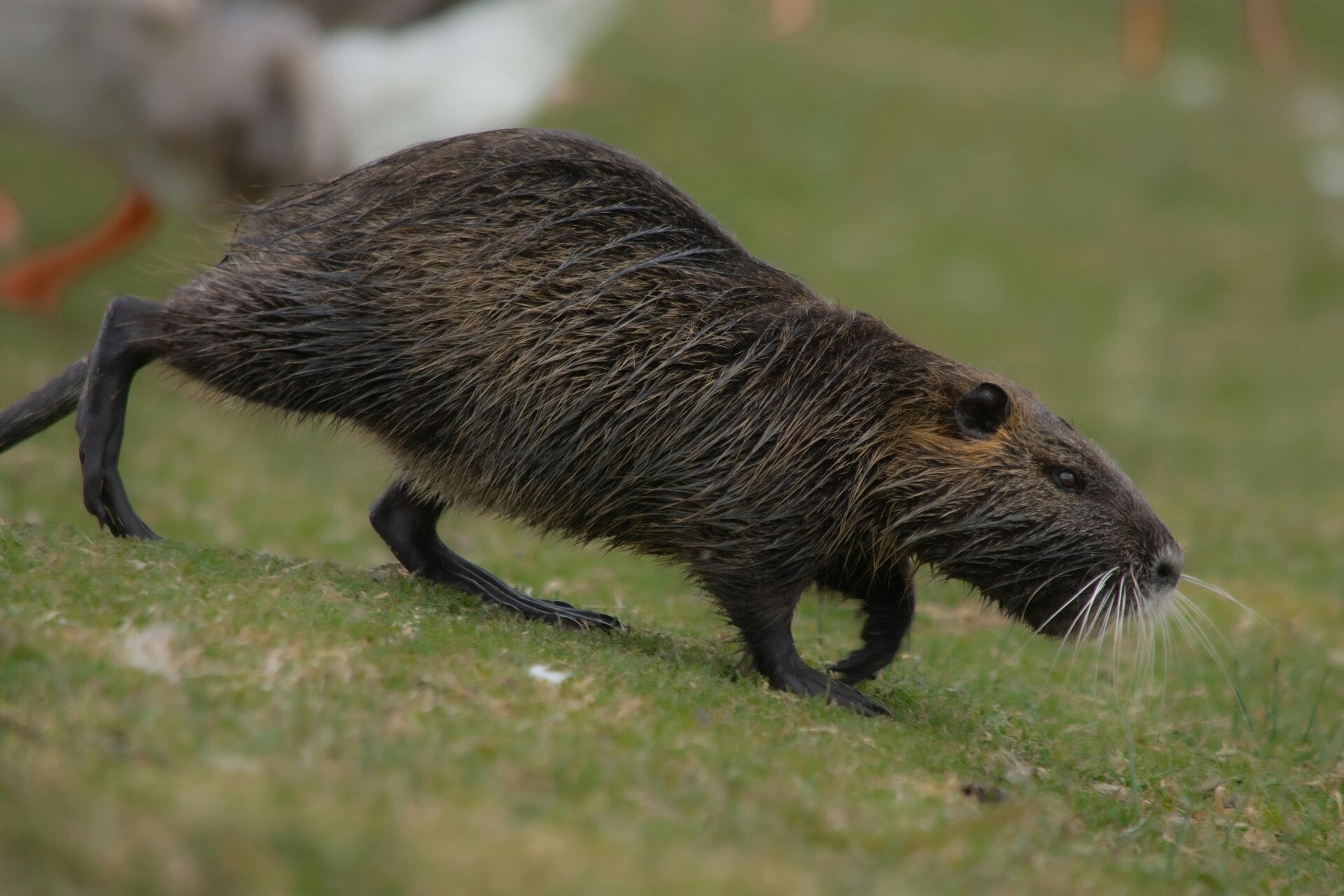
A Rat was traveling along the King's highway. He was a very proud Rat, considering his small size and the bad reputation all Rats have. As Mr. Rat walked along—he kept mostly to the ditch—he noticed a great commotion up the road, and soon a grand procession came in view. It was the King and his retinue.
The King rode on a huge Elephant adorned with the most gorgeous trappings. With the King in his luxurious howdah were the royal Dog and Cat. A great crowd of people followed the procession. They were so taken up with admiration of the Elephant, that the Rat was not noticed. His pride was hurt.
"What fools!" he cried. "Look at me, and you will soon forget that clumsy Elephant! Is it his great size that makes your eyes pop out? Or is it his wrinkled hide? Why, I have eyes and ears and as many legs as he! I am of just as much importance, and"—
But just then the royal Cat spied him, and the next instant, the Rat knew he was not quite so important as an Elephant.
The moral of the story: A resemblance to the great in some things does not make us great.
The Lion & the Mouse
A Lion lay asleep in the forest, his great head resting on his paws. A timid little Mouse came upon him unexpectedly, and in her fright and haste to get away, ran across the Lion's nose. Roused from his nap, the Lion laid his huge paw angrily on the tiny creature to kill her.
"Spare me!" begged the poor Mouse. "Please let me go and some day I will surely repay you."
The Lion was much amused to think that a Mouse could ever help him. But he was generous and finally let the Mouse go.
Some days later, while stalking his prey in the forest, the Lion was caught in the toils of a hunter's net. Unable to free himself, he filled the forest with his angry roaring. The Mouse knew the voice and quickly found the Lion struggling in the net. Running to one of the great ropes that bound him, she gnawed it until it parted, and soon the Lion was free.
"You laughed when I said I would repay you," said the Mouse. "Now you see that even a Mouse can help a Lion."
Moral of the story: A kindness is never wasted.
The Tortoise & the Ducks
The Tortoise, you know, carries his house on his back. No matter how hard he tries, he cannot leave home. They say that Jupiter punished him so, because he was such a lazy stay-at-home that he would not go to Jupiter's wedding, even when especially invited.
After many years, Tortoise began to wish he had gone to that wedding. When he saw how gaily the birds flew about and how the Hare and the Chipmunk and all the other animals ran nimbly by, always eager to see everything there was to be seen, the Tortoise felt very sad and discontented. He wanted to see the world too, and there he was with a house on his back and little short legs that could hardly drag him along.
One day he met a pair of Ducks and told them all his trouble.
"We can help you to see the world," said the Ducks. "Take hold of this stick with your teeth and we will carry you far up in the air where you can see the whole countryside. But keep quiet or you will be sorry."
The Tortoise was very glad indeed. He seized the stick firmly with his teeth, the two Ducks took hold of it one at each end, and away they sailed up toward the clouds.
Just then a Crow flew by. He was very much astonished at the strange sight and cried:
"This must surely be the King of Tortoises!"
"Why certainly—" began the Tortoise.
But as he opened his mouth to say these foolish words he lost his hold on the stick, and down he fell to the ground, where he was dashed to pieces on a rock.
Moral of the story: Foolish curiosity and vanity often lead to misfortune.
If you want more short stories click the button below.